

Primary Care Service

Dr. Pravin Mehta
Medical Director
Since 1994, the IAMACF Free Clinic has provided essential medical care to underserved and underinsured individuals, regardless of race, gender, ethnicity, or socioeconomic background. The clinic offers primary care, women’s health services, laboratory testing, medications, specialty care, and other vital health services to patients who might otherwise have limited access to affordable medical care.
Over the past year, IAMACF has significantly expanded its services and capacity. With the addition of a Nurse Practitioner and Medical Assistant, clinic operations have increased by three additional days each week. Women’s health services have expanded from once to twice monthly, physical therapy services have been introduced in collaboration with Northwestern University, and a partnership with Pharmacy of Hope is helping broaden access to medications. During FY2025, the clinic served 1,958 patients, including 470 new patients, provided medications to 456 patients, and performed 789 laboratory tests.
Many of our patients live with chronic conditions such as diabetes, hypertension, thyroid disease, and high cholesterol. Through the dedication of our physicians, medical students, staff, volunteers, community partners, and generous supporters, IAMACF helps these patients receive ongoing care, better manage their health, and reduce the risk of serious complications, emergency room visits, and hospitalizations.
As we look ahead, our goal is to serve even more patients and continue expanding the range of services, medications, and specialty care available through the IAMACF Free Clinic. We sincerely thank our volunteers, donors, partners, and supporters for making this work possible. Your continued involvement and generosity allow us to provide compassionate, accessible healthcare to those in our community who need it most.
Primary Care Services
At The IAMACF Free Health Clinic patients can address their concerns by speaking with a team of medical students, who will conduct the initial patient encounter and then call in an attending physician for the final assessment and plan. Primary care includes health promotion, disease prevention, health maintenance, counseling, patient education, diagnosis and treatment of acute and chronic illnesses.


Hypertension
Hypertension, commonly known as high blood pressure, is a chronic medical condition characterized by elevated pressure in the arteries, which can lead to serious health complications if left untreated.

Diabetes Mellitus
Diabetes mellitus is a metabolic disorder characterized by high blood sugar levels resulting from insufficient insulin production, impaired insulin function, or both, leading to various complications affecting multiple organ systems in the body.

High Cholesterol
High cholesterol refers to elevated levels of cholesterol in the blood, which can increase the risk of developing heart disease and other cardiovascular complications.
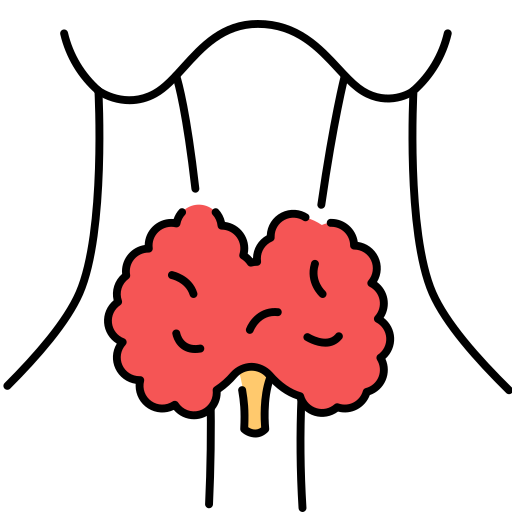
Thyroid Disorders
Thyroid disorders encompass a range of conditions affecting the thyroid gland's function, including hypothyroidism, hyperthyroidism, and thyroid nodules, which can lead to symptoms such as fatigue, weight changes, and alterations in metabolism.
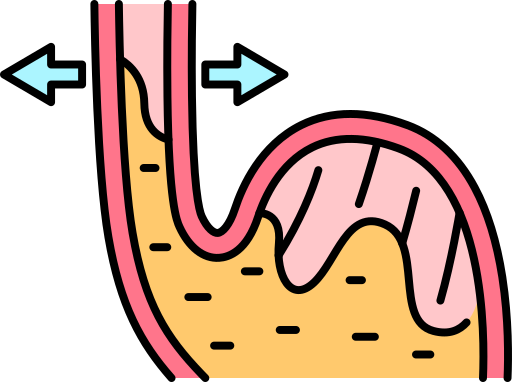
Gastroesophageal Reflux Disease
Gastroesophageal reflux disease (GERD) is a chronic condition where stomach acid flows back into the esophagus, causing discomfort and potential complications such as esophageal inflammation or damage.